by Henry Quinlan
In today’s rapidly evolving energy landscape, political momentum and market forces are converging around one undeniable reality: Geothermal energy is emerging as the future of sustainable building systems. While electrification initiatives and VRF (Variable Refrigerant Flow) conversions remain foundational components of green modernization, policymakers and energy strategists increasingly view geothermal as both the long-term solution and the next frontier of decarbonization.
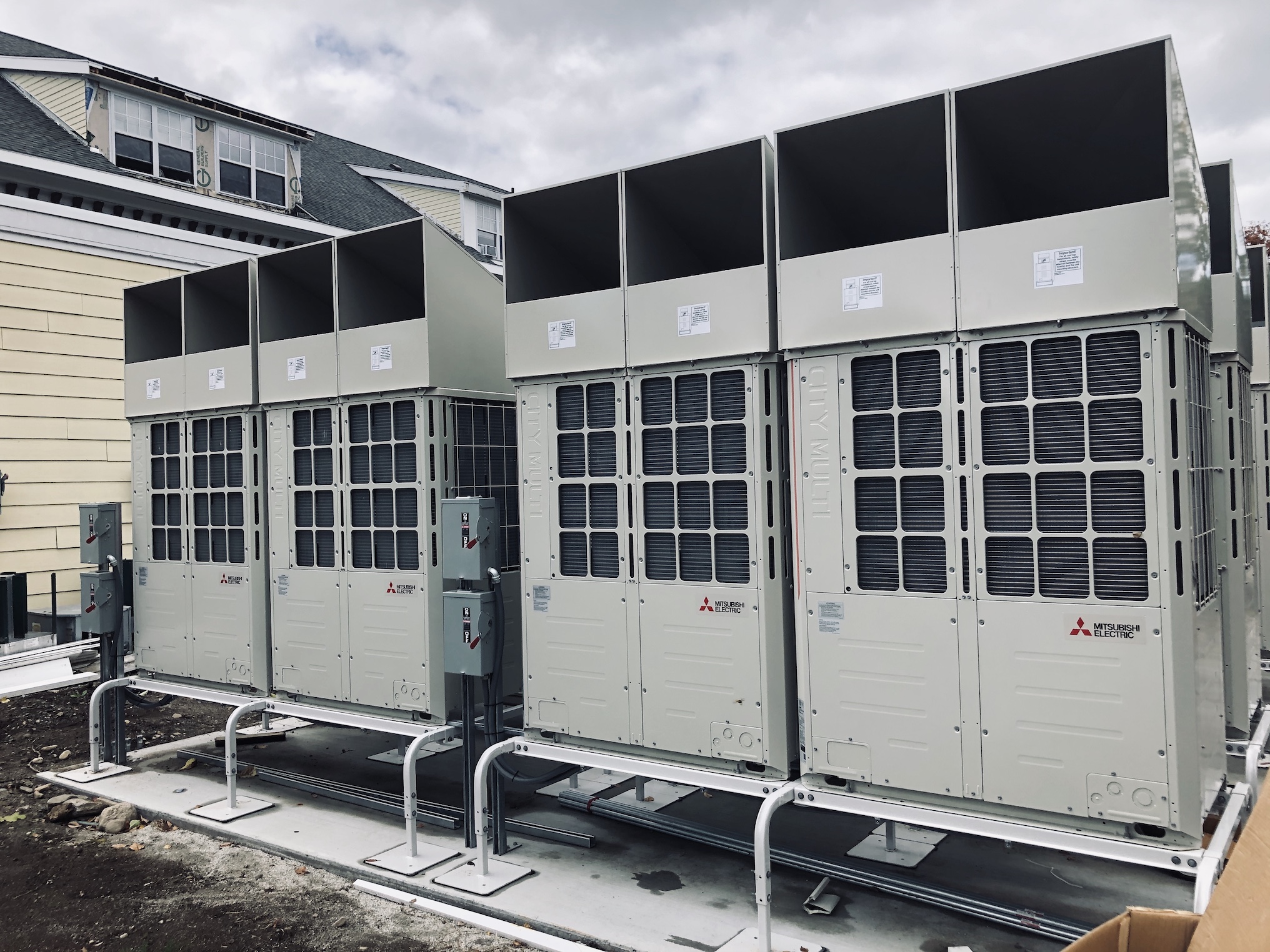
 At South Coast Improvement Company (SCIC), this shift is not a challenge—it’s an opportunity. It is the natural next step in a progression we’ve been preparing for through years of hands-on work in VRF conversions, electrification retrofits, and occupied renovations across complex environments.
Why Geothermal Is Gaining National Traction
Much of today’s federal and state policy direction is moving beyond incremental emissions reductions and toward transformative solutions. Geothermal checks every box:
- Ultra-efficient heating and cooling with dramatic operational savings
- Significant emissions reductions, supporting aggressive decarbonization targets
- Grid stability, reducing peak electrical loads
- Long-term ROI, outperforming many traditional retrofit options
- Compatibility with electrification pathways, making it the logical evolution from VRF-based solutions
As grant programs, incentives, and regulatory frameworks continue to prioritize geothermal adoption, organizations across education, healthcare, senior living, and commercial real estate are being compelled to reevaluate their long-term energy strategies.
SCIC has already been on the front lines of the green-energy transition. We’ve delivered numerous VRF system conversions and electrification projects, often in buildings that continue operating throughout construction: schools in session, residents on site, staff at work. The shift toward geothermal is not an abandonment of VRF or electrification; it’s the next strategic step in the same movement. SCIC has successfully executed both traditional and advanced electrification and HVAC modernization projects.
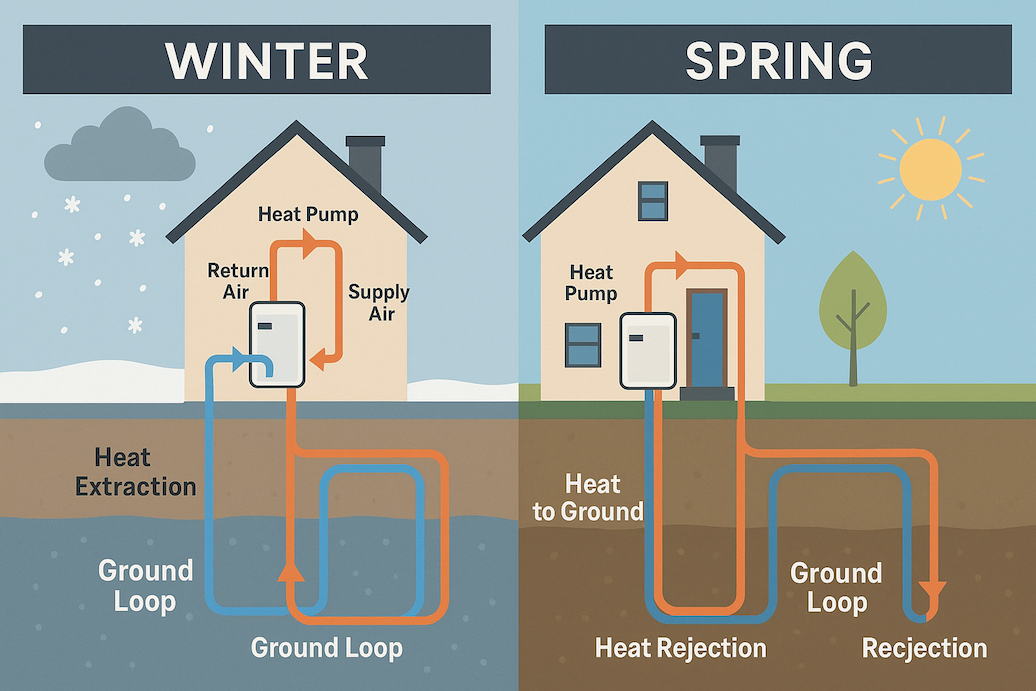
Why Geothermal Gains a Strategic Advantage
Recent federal legislation has sent a clear signal: Geothermal is no longer a niche option—it’s part of the mainstream transition. With President Donald Trump’s signature on the landmark One Big Beautiful Bill Act (H.R. 1) on July 4, 2025, the U.S. energy-policy landscape shifted markedly. The law preserves full investment-tax-credit (Section 48E) and production-tax-credit (Section 45Y) eligibility for geothermal power projects that begin construction by 2033, with a gradual phase-down through 2036.
 In effect, that means clients who act now—and engage an experienced partner capable of mobilizing amidst shifting incentives—can capture a meaningful portion of these long-term benefits. For SCIC, which has the foundational electrification and VRF-conversion experience and the agility to pivot into geothermal, this is a strategic opportunity to align with incentive windows and policy momentum.
The Energy Transition Is Here
As policymakers push harder toward long-term carbon neutrality, geothermal is emerging as one of the most powerful tools in the green-energy toolkit. Partnering with a firm like South Coast Improvement who have the combination of experience, project sensitivity, and organizational agility needed to execute these projects effectively will ensure a successful transition into the green energy future.

Henry Quinlan
Henry Quinlan is president of South Coast Improvement Company.