
by Jay Popp
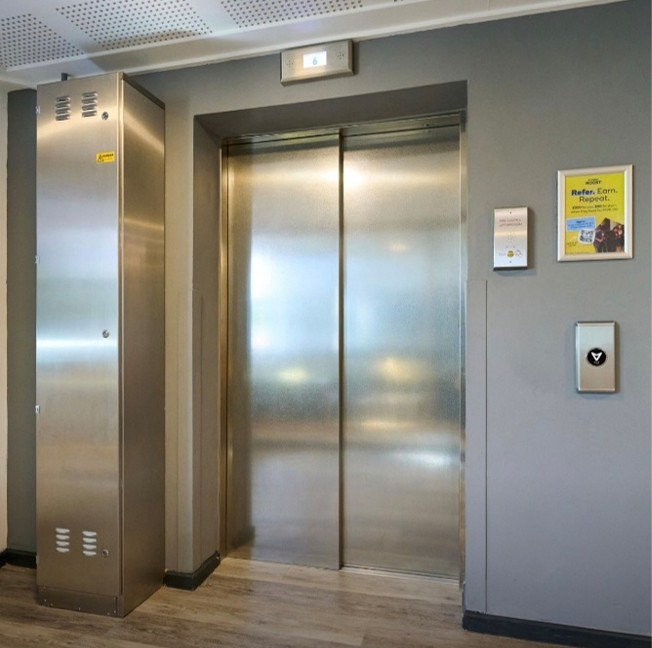
Elevators long considered a sustainable portion of a building’s infrastructure are under attack. Historically overdesigned, major mechanical and structural components of the elevator system remained serviceable and reliable over a 50-year life expectancy particularly with respect to high rise commercial properties.
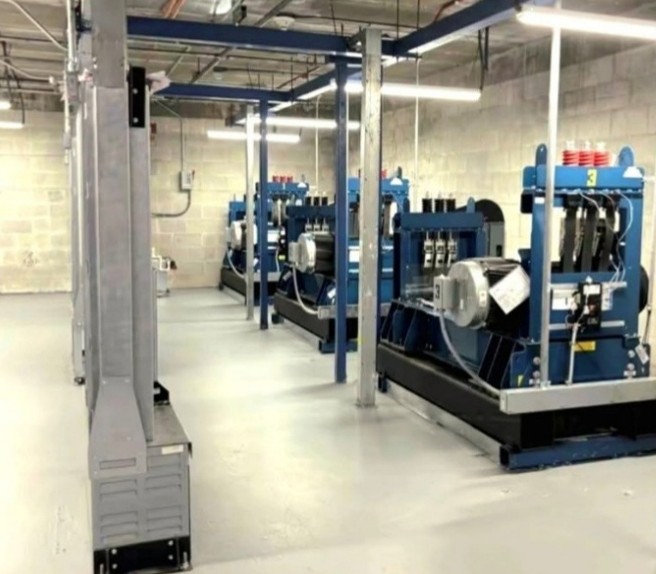
Beginning in the 1970s, advances in electronics and elevator dispatching control technology resulted in the introduction of microprocessor computer control technology systematically updated based on the latest microprocessor technology. Subsequent advances in electronics and elevator motor control technology during the late 1980s resulted in the development of energy efficient AC Permanent Magnet “Gearless” Traction Elevator Hoist Machines superseding previous DC Elevator technology. Initially applied to high rise commercial office buildings, this same technology was subsequently applied to the general elevator market.
At the turn of the century, commercial pressure to deliver a building based on a particular market price led the elevator industry to develop products that can be installed utilizing reduced field labor, a significant component of the capital cost of an elevator installation. Particularly affected are low-rise and mid-rise buildings in all market sectors, mid-rise and high-rise residential buildings, medical office buildings, etc. On the surface, elevator products typically applied to these types of buildings bear similarities in terms of speed and capacity and, on the surface, appear comparable. This is no longer the case.
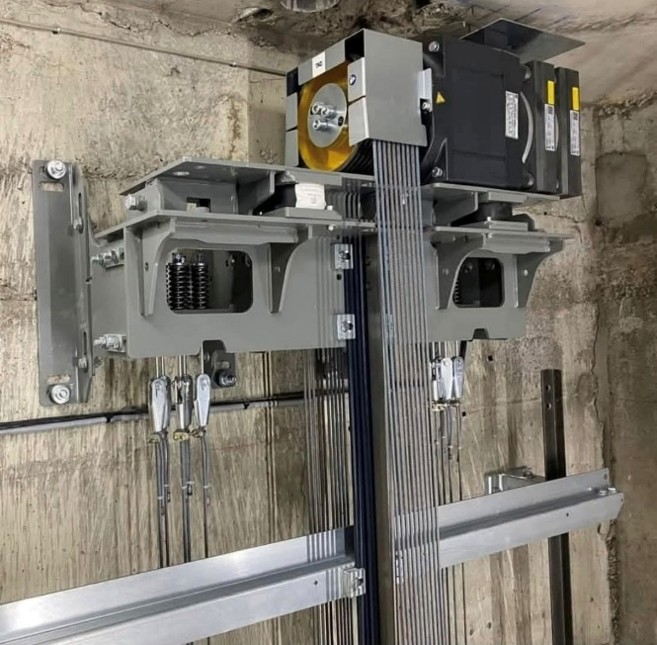
Historically, the products installed in these types of buildings utilized robust DC overhead “geared” traction elevator hoist machines with a design service life in excess of 25 years with a moderate degree of conservatism and resilience installed in a dedicated (roof top) elevator machine room. In comparison, instead of utilizing “compact” AC Gearless traction elevator hoist machines with a comparable design service life in a traditional machine room, the majority of the elevators installed during the last 30 years utilize the so called, Machine Room Less (MRL) AC “gearless” traction elevators.
Initially designed with a relative degree of resilience, MRL’s have evolved into three distinct “quality levels” with a significantly reduced design service life of about 15 years. MRL systems are considered to be “managed consumables” requiring a paradigm shift in management of the property, CAPEX planning for increased frequency of elevator replacement, management of tenant disruptions due to elevator replacement, and even routine cab interior finish enhancements. High rise, Class A commercial office buildings, luxury hotels, and luxury residential properties are impacted mechanically to a much lesser degree due to the inherent design resilience and robustness of conventional “overhead” AC gearless traction hoist machines and associated mechanical components.
In summary, elevator modernization, or the replacement of any of a given building’s infrastructure for that matter, is a naturally occurring event as buildings mature or age. In many instances, particularly in low- and mid-rise buildings, it is necessary to manage obsolescence and routing maintenance costs. It is at this point that critical decisions must be made with respect to the scope of the elevator modernization.
Jay Popp
Generally speaking, in low-rise and mid-rise buildings, replacing equipment “like for like,” either “geared” traction hoist machines or MRL gearless traction hoist machines with similar equipment, although managing obsolescence in the short term, does not enhance the asset value of a property. Similarly, in high rise buildings, retaining and rebuilding existing DC Gearless traction hoist machines neither manages obsolescence nor enhances the asset value of the property. Owners electing to modernize utilizing “like for like” equipment and/or retain existing DC hoist machines should expect a reduction in asset value at the time of sale.
Timing of an elevator modernization is also critical and requires proper planning. The decision to modernize may be related to existing tenant lease renewals, targeted new tenant leases, reduced occupancy, repositioning of the building in the market, adaptive reuse of the building, the remaining “hold” period of the building in an asset portfolio, or the sale or purchase of a property, among others.
Jay Popp, C.E.I. is senior vertical transportation advisor at Walker Consultants.