by Brett KenCairn, Diana Ruiz, Kelly Baldwin Heid, and Dr. Laura Dee
Biodiversity–the diversity of species and ecosystems, their organization and function, and the ways this diversity enhances the productivity, resilience and richness of life is one of the greatest potential forces available to cities and communities in preparing for the challenges we face. Yet conventional approaches to assessing and managing for biodiversity may undermine our ability to elevate and sustain it as a priority for many cities and local communities. While promising frameworks are emerging that better integrate biodiversity into planning and decision-making, scaling these approaches requires acknowledging and addressing key limitations in current practices. This includes fragmented data, narrow metrics, and insufficient alignment with urban development goals. We propose a new initiative to begin to fill these gaps and identify opportunities for the co-benefit of people and nature in cities.
The Relevance Gap
Picture this scenario: a city planning meeting in Detroit, Berlin, or Bogotá. Officials are wrestling with housing crises, extreme heat, flooding, or public health emergencies. Into this room walks a biodiversity advocate proposing species surveys and native plant protection initiatives. The disconnect is immediate and profound.
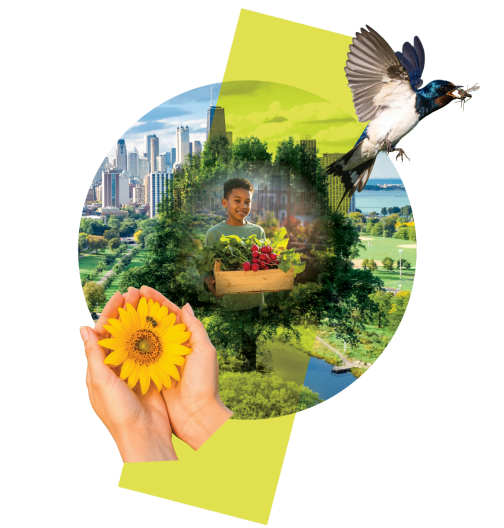 Variations of this scene are playing out globally as the biodiversity movement—energized by frameworks like the Montreal Global Biodiversity Framework—struggles to engage local governments. While advocates and consultants promote measuring bird collisions and native species abundance, city officials can’t see clearly how these efforts address their communities’ urgent daily crises. The problem isn’t necessarily a lack of environmental concern. It’s that our biodiversity frameworks, developed primarily for natural ecosystems, aren’t aligned with urban realities.
Despite these challenges, there is an enormous opportunity to advance the field and practice of urban biodiversity in ways that protect and enhance both the well-being of both communities and their surrounding ecosystems. However, doing so will require recognizing and addressing a number of key issues.
Why Traditional Approaches Fall Short
Several key issues widen the relevance gap between biodiversity-centered solutions and local government priorities. Here are some of the common challenges we encounter:
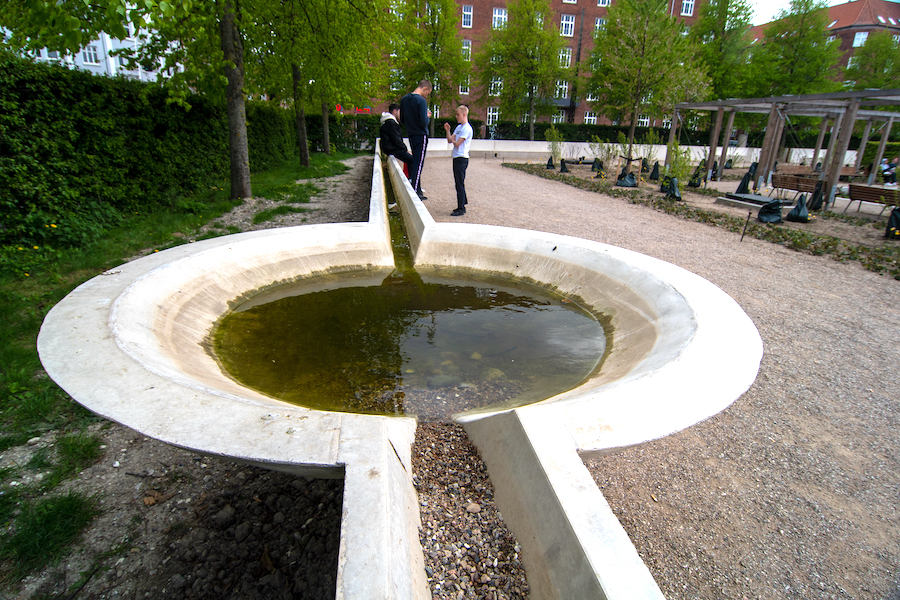
Rainwater channel in Copenhagen’s Enghaveparken, 2021. Øystein Leonardsen/Copenhagen municipality. / Photo from https://thebreakthrough.org
The Native Species Trap: Urban parks and urban forests often harbor more biodiversity than surrounding farmland monocultures, but much of it is “non-native.” Is this still biodiversity? Are we measuring the wrong thing?
The Measurement Mismatch: A report showing 47 bird species in an area considered for green infrastructure development doesn’t help officials understand if that is integral to the goals of reducing flooding, cooling dangerous streets, or providing safer community spaces.
The Crisis Priority: When residents face mosquito-borne diseases or extreme heat, abstract appeals about species extinction as part of no-pesticides appeals can seem tone-deaf without clear evidence that biodiversity protects communities.
A Different Approach: Measuring What Actually Matters
Rather than fostering a dismissal of biodiversity science as largely irrelevant to urban community issues, we need to redirect the conversation towards demonstrating the ways biodiversity is integral to addressing daily urban challenges. This means developing metrics that capture things like:
Community Health: How does biodiversity support heat reduction in vulnerable neighborhoods, air quality improvements, food access?
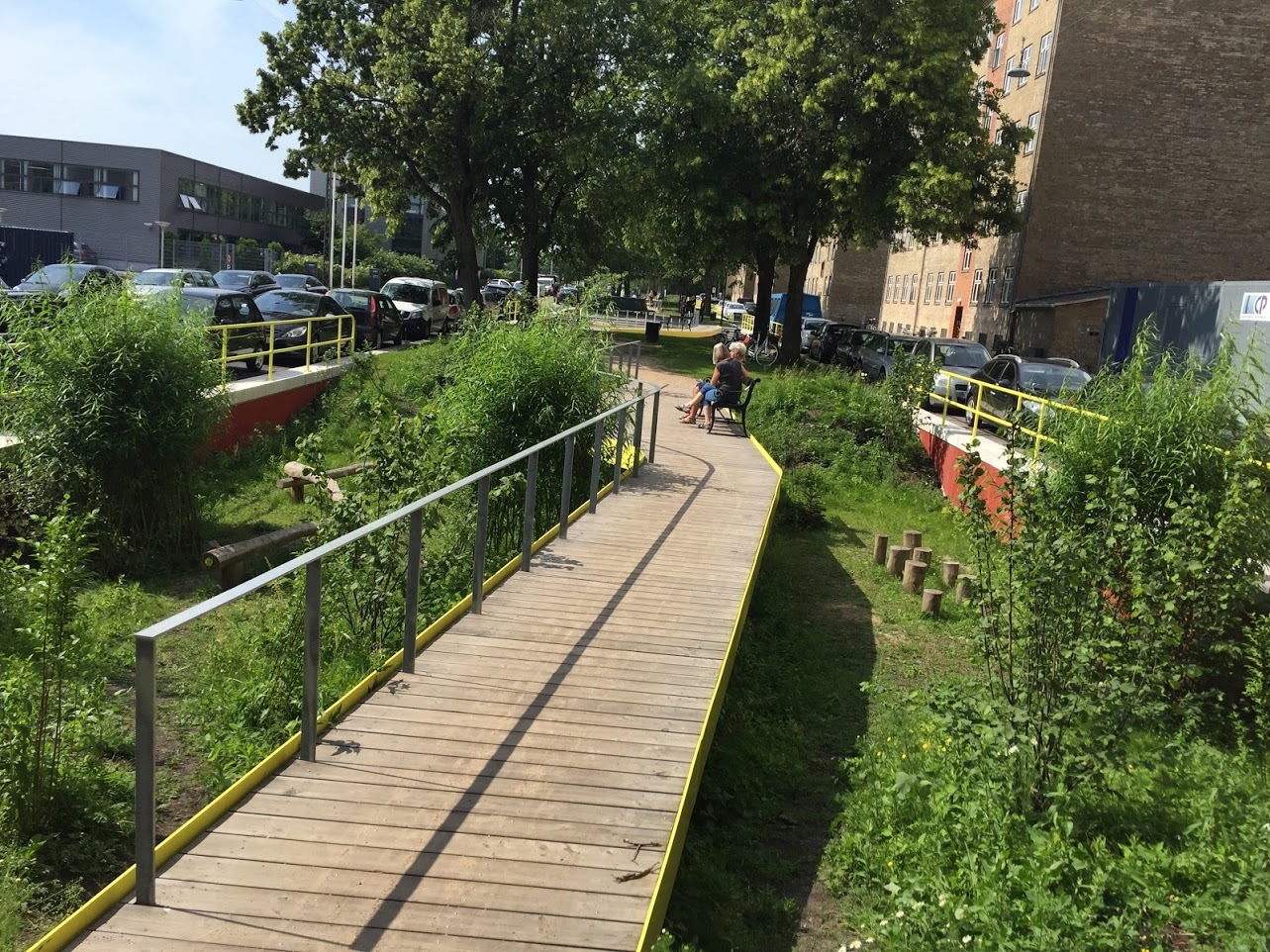
Raised walkway and stormwater storage system in Scandiagade, Copenhagen, 2021. Øystein Leonardsen/Copenhagen municipality. / Photo from https://thebreakthrough.org
Economic Returns: Biodiverse green infrastructure can costs 20-50% less than conventional systems while achieving equal or greater stormwater reduction objectives.
Resilience Capacity: Diverse landscapes that are designed to buffer extreme weather and improve community self-reliance and resilience to increasingly extreme weather events.
Social Cohesion: Shared stewardship of bio-socially diverse landscapes can build community connections and enhance cultures that support stable governance.
Leading Examples
Cities worldwide are already pioneering these integrated approaches, demonstrating that biodiversity and community needs can be mutually reinforcing.
- Singapore’s Productive Corridors: In these areas urban food production is designed to also create wildlife habitat and urban cooling.
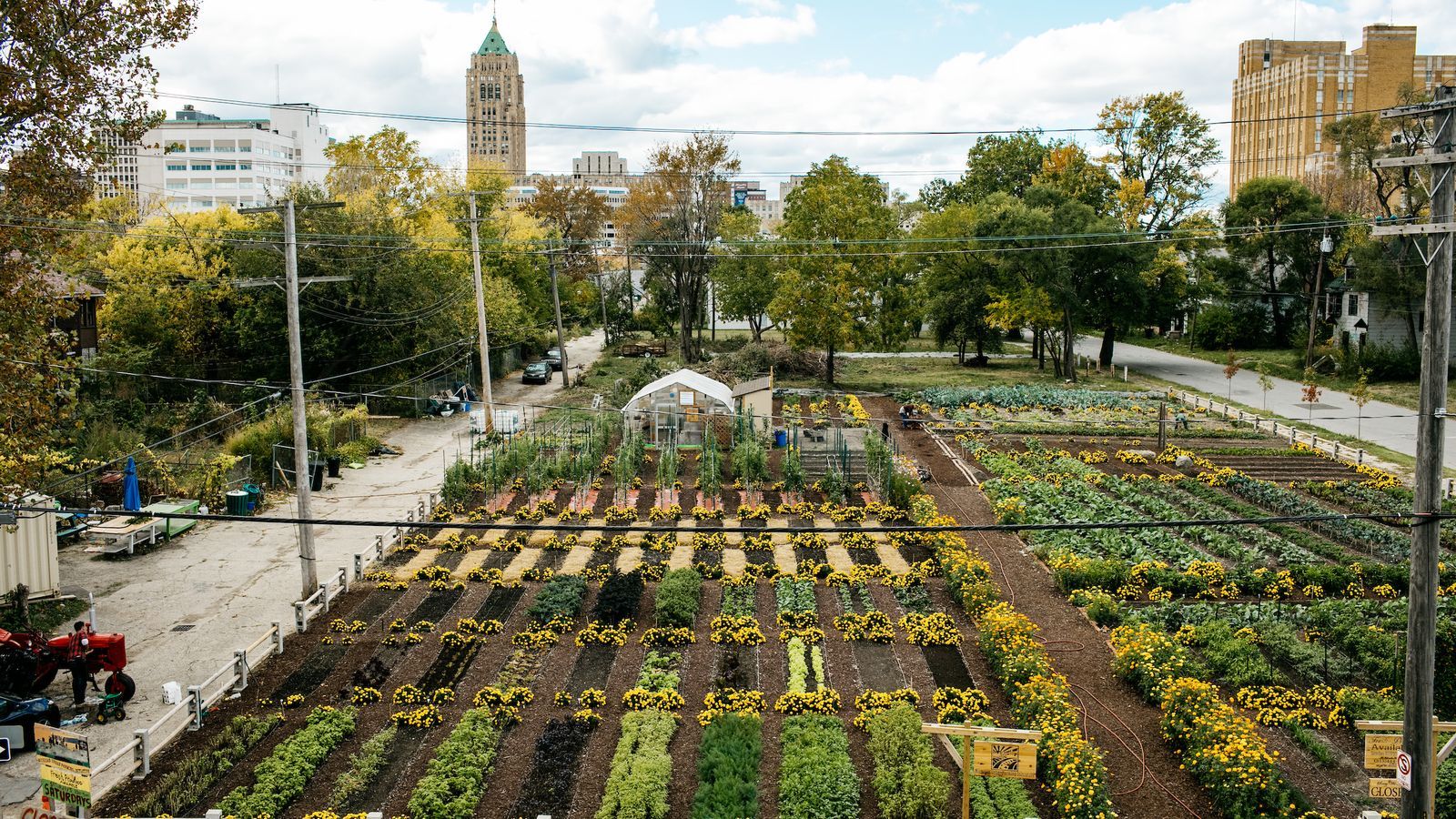
- Detroit’s Community Transformations: Converting vacant lots into productive farms that provide food security and neighborhood economic stability is also bringing much greater biodiversity to these areas.
- Copenhagen’s Blue-Green Infrastructure: Stormwater management systems are being developed that create both recreation opportunities and wildlife habitat.
- Indigenous Urban Food Forests: Native nations are demonstrating that diverse plant systems can support both cultural practices and ecological functions.
The Bottom Line
If biodiversity is to become relevant in urban landscape management worldwide, we must demonstrate how biodiversity-informed approaches directly address the immediate challenges local communities face. To learn more, visit https://naturebasedclimate.solutions/biodiversity-and-urban-communities.
Brett KenCairn is senior division manager at Nature-based Solutions, Boulder, Colorado and executive director at Center for Regenerative Solutions; Diana Ruiz is research associate at the Nature-Based Solutions Center, Humboldt Institute, Colombia; Kelly Baldwin Heid is expert at Biodiversity and Nature-based Solutions, ICLEI Europe; and Dr. Laura Dee is associate professor, Department of Ecology and Evolutionary Biology, University of Colorado, Boulder and co-director, Nature and People CoLab.