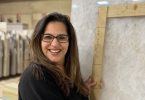

HP interviews Jennifer McGrory, AIA, LEED AP, WELL AP, Fitwel Ambassador, senior project manager, PMCM Group, at CHA Consulting, Inc.
High-Profile: You have an impressive background as both an architect and a project manager. How has your architectural training influenced your approach to project management?

Jennifer McGrory
Jennifer McGrory: Project managers have a real passion to see projects get built. Approaching this work as an architect, with that training and experience, allows me to balance the technical issues of design and construction while working for the people who are building the project. Architectural training can help solve problems, so focusing on the built environment serving people is very important to me. I want to know what’s driving a project. I’m currently working on public projects for municipalities and in my role as project manager, I have to balance the ability to respect the voice of the taxpayers and constituents of that town, and also to help solve the challenges they are facing in their public spaces like schools, libraries and town halls. My hope is that I can impact those important spaces, and bring empathy paired with technical knowledge to get these projects built.
HP: You’ve worked on a wide range of projects, from schools and libraries to commercial buildings. What’s one project that stands out to you as particularly impactful, and why?
JM: One of my most challenging, but most rewarding projects was the renovation of the Claire T. Carney Library at the University of Massachusetts at Dartmouth. It was exciting to work on a building originally designed by the brutalist architect, Paul Rudolph. The project involved a substantial renovation and addition – we were taking this very important infrastructure that had come to the end of its useful life and trying to give it an extension of life for another 50 or more years. Since the building serves college students, we needed to think about their diverse needs. This $30 million renovation and addition project was my very first large-scale project as a project manager, and it was very rewarding. This project was public construction, and it opened my eyes to that process. I had the opportunity to help oversee a large team of people in my firm and also across the larger project team. I’m so proud to have played a key role in this extraordinary building which remains a critical part of that campus.
HP: As a woman in a leadership role in the construction and design industry, what challenges have you faced, and how have you navigated them?
JM: As I’ve worked on projects, I’ve seen more and more women involved, not only in the design and engineering field but also on the construction side. Frequently in public construction, I see more women involved – from leading projects to leading municipalities. However, in the trades, you continue to see fewer women on the job site compared to men. While it has been reassuring to see the growth over the years, many women still feel the need to prove they deserve a seat at the table. For women getting into this industry, I reinforce that they are just as qualified to be in these projects and they have earned their place in this field.
HP: You’re deeply involved in sustainability and wellness through your LEED, WELL, and Fitwel accreditations. How do you see these principles shaping the future of construction and design?
JM: I believe our built environment affects so much of what we do and who we are. We have an obligation and an opportunity to build things better and smarter than we have in the past. Wellness, in particular, is so important because we spend as much as 90% of our lives indoors. The built environment impacts our air quality, light, water and so much more of what we’re doing. By studying the design as it relates to wellness factors, we directly impact the occupants’ well-being, such as natural light and access to nature, which can have a direct impact on improved health. We can approach projects with the principles of sustainability and wellness, and improve space for the people who occupy these buildings. Using the same principles, we can also help to improve the broader environment that we live in by building more sustainably and reducing our carbon footprint.
HP: What advice would you give to young women looking to enter and thrive in the architecture, engineering, and construction industries?
JM: This is a really fun industry to be involved in. Not everyone gets to work in jobs where you get to help things get built and work on projects that can impact so many different areas of our lives. I don’t do cancer research, but I’ve gotten to work on pharmaceutical facilities where cancer research is done, and I feel I’ve had some impact in helping that process along. I am not a teacher, but I have been involved in school and university projects creating places where education is making a difference in the lives of students. I’m very proud of the work I’ve done and the impact it continues to have. In this industry, I believe you need to be curious. Curiosity is so important, and it helps demonstrate and fuel your passion. There are so many people in this industry who love what they do, and when they encounter that curiosity, they get very invigorated and excited. They want to share their knowledge with those just entering this industry. Be curious and you’ll thrive in this work.